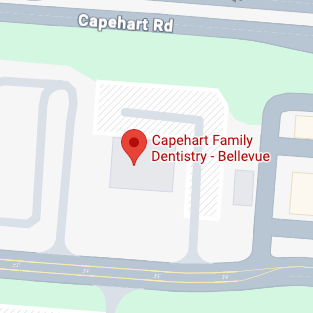
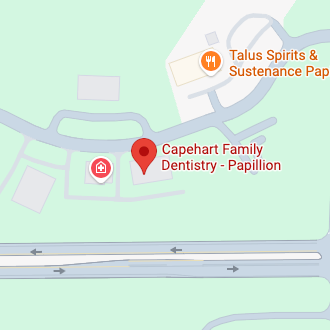
Bellevue and Papillion are communities where family life, active schedules, and practical care converge. Local dental care should match that reality — reliable, accessible, and focused on long-term oral health. Our goal here is to describe what modern dental care looks like for Nebraskans who want straightforward, trustworthy treatment that fits into busy lives without unnecessary complication.
Whether you’re scheduling routine maintenance, exploring restorative options after an injury, or considering subtle cosmetic refinement, the emphasis is on solutions that work for real people. Clear communication, evidence-based recommendations, and gentle care are the pillars that help neighbors maintain healthy, confident smiles.
Across these sections you’ll find a look at the preventive strategies, restorative techniques, cosmetic choices, and clinical advances that shape contemporary dentistry in Bellevue and Papillion. Wherever appropriate, we reference established services so you can read more about the specific approaches that support lasting oral health.
Access to consistent dental care makes a measurable difference in long-term oral health. Residents of Bellevue and Papillion no longer need to travel far for comprehensive dentistry; many services are available locally, delivered by teams who understand the rhythms of midwestern family life. A convenient location combined with flexible scheduling helps families keep up with regular visits and reduce the risk of avoidable problems down the line.
Community-focused care emphasizes continuity: the same clinicians review your history, monitor changes over time, and adjust treatments as needed. That familiarity allows providers to spot trends early and recommend interventions that prevent small issues from becoming major concerns. The result is smarter, more personalized care that respects your time and priorities.
Clinics serving these communities also prioritize clear, plainspoken explanations so patients can make informed choices. Instead of one-size-fits-all recommendations, you’ll encounter treatment plans shaped by your lifestyle, oral health goals, and the realities of everyday life in Nebraska.
Preventive dentistry remains the most reliable path to maintaining healthy teeth and gums. Routine professional care — including cleanings, exams, and targeted screenings — reduces the likelihood of decay, gum disease, and other common conditions. During preventive visits clinicians look beyond temporary fixes to develop habits and routines that keep problems at bay.
At the center of prevention is patient education. Practical guidance on brushing, flossing, and nutrition translates dental science into daily habits that protect enamel and gum tissue. These recommendations are tailored to each stage of life, from childhood preventive care to strategies that support aging dentition and preserve function.
Preventive work also includes early detection using modern diagnostics, which helps clinicians address emerging issues before they require more invasive treatment. Regular maintenance visits are where prevention, early intervention, and long-term planning come together to protect both your smile and your comfort.
When teeth are damaged or missing, restorative dentistry focuses on returning comfort, chewing ability, and esthetics. Contemporary restorative options are designed to blend with your natural dentition while restoring reliable function. Materials and techniques have improved to the point where repairs are both long-lasting and visually discreet.
Treatment planning in restorative care takes into account the whole mouth — bite relationships, jaw health, and neighboring teeth — so outcomes feel comfortable and look natural. Whether repairing a fractured tooth or replacing a lost tooth, clinicians balance immediate needs with strategies that protect oral health for years to come.
Advanced solutions such as implant-based restorations offer durable stability and help prevent the bone loss that can follow tooth loss. These approaches are engineered to support everyday activities like eating and speaking confidently, with an emphasis on predictable, evidence-based results that integrate seamlessly into your life.
Cosmetic dentistry is about more than appearance; it’s about helping patients feel comfortable and authentic in their smiles. Contemporary cosmetic care aims to enhance what’s already there, using conservative treatments that respect tooth structure and facial harmony. The goal is a smile that looks like you — only refreshed and balanced.
Common cosmetic options address stains, minor alignment concerns, and surface imperfections without dramatic alteration. Treatments such as professional whitening, porcelain veneers, and clear aligner therapy can be combined thoughtfully to produce improvements that complement facial features and preserve natural expression.
Decisions about cosmetic care are typically guided by functional considerations as well as esthetics. Clinicians work with patients to align cosmetic goals with bite dynamics and oral health priorities so that results are attractive, long-lasting, and comfortable in daily life.
Many dental practices now offer facial aesthetic treatments alongside dental care, providing convenient options for patients seeking subtle rejuvenation. These non-surgical treatments focus on refreshing appearance while maintaining natural movement and expression. When offered within the dental setting, they are often combined with oral care for efficient visits and cohesive results.
Behind modern treatments is technology that improves precision and comfort. Digital imaging, intraoral scanning, and refined diagnostic tools allow clinicians to plan procedures with greater accuracy, which can reduce chair time and improve predictability. These advancements translate into a less invasive experience and clearer expectations for patients.
Comfort-oriented care also includes attention to appointment flow and patient experience. Clinicians use measured techniques and supportive communication to reduce anxiety and ensure each visit is as smooth as possible. When treatments are straightforward and transparent, patients are more likely to follow through on recommended care and maintain consistent oral health habits.
High-quality dental care in Bellevue and Papillion combines preventive focus, thoughtful restorative options, tasteful cosmetic choices, and modern technology to support durable, confident smiles. Residents benefit from approachable clinicians who prioritize clear communication and practical solutions that fit everyday life.
Capehart Family Dentistry takes a community-minded approach to oral health, emphasizing prevention, function, and natural-looking outcomes. If you’d like to learn more about how these services can support your oral health goals, please contact us for additional information.
Dentists in Nebraska provide a full spectrum of oral healthcare services for patients of all ages, including preventative cleanings, diagnostic exams, restorative treatments and cosmetic procedures.
Many practices also offer advanced options such as dental implants, orthodontic aligners and non-surgical facial aesthetic treatments to address both function and appearance. Emergency care, patient education and coordination with medical colleagues are commonly part of comprehensive dental care as well.
Most patients benefit from a routine dental checkup and professional cleaning every six months, which helps prevent decay and detect early problems. However, the optimal frequency can vary depending on individual risk factors such as gum disease, dry mouth, systemic health conditions or a history of frequent cavities.
Your dentist will assess these factors during your visit and recommend a personalized recall schedule. A typical checkup includes examination, cleaning and any necessary diagnostic imaging to monitor tooth and jaw health.
Daily oral hygiene is the foundation of preventive care; patients should brush twice a day with a fluoride toothpaste and clean between teeth once daily. Using a soft-bristled toothbrush and replacing it every three months helps maintain effective plaque removal.
Limiting sugary snacks and acidic beverages lowers the risk of decay and enamel erosion. Additional measures such as using an antimicrobial mouthwash when recommended and wearing a mouthguard for sports can further protect oral health.
Dental implants are a modern restorative option that replace missing tooth roots with titanium fixtures to support crowns, bridges or dentures. They help restore chewing function, support facial structure and can prevent bone loss in the jaw when compared with untreated tooth loss.
Dentists evaluate overall health, bone volume and oral hygiene before recommending implants and may use digital imaging to plan precise placement. Alternative restorative solutions are available for patients who are not ideal implant candidates, and the dental team will discuss the advantages and limitations of each option.
Cosmetic dentistry offers several routes to improve the appearance of teeth, including professional whitening, porcelain or composite veneers, tooth-colored bonding and clear aligner therapy. These treatments address common concerns such as discoloration, chips, gaps and mild misalignment with approaches tailored to each patient s goals.
A cosmetic consultation typically reviews aesthetic priorities, oral health status and realistic expectations for treatment outcomes. Maintaining results often involves a combination of good oral hygiene and periodic professional care.
Facial aesthetic treatments offered in dental settings often include neuromodulators and dermal fillers that reduce the appearance of fine lines and restore volume without surgery. These procedures can complement dental treatments by improving facial balance and supporting a refreshed overall appearance.
Dentists trained in facial aesthetics integrate cosmetic planning with oral care to achieve natural-looking results. Treatments are typically quick, performed in a clinical setting, and accompanied by a discussion of realistic outcomes, risks and aftercare.
Advances in dental technology such as digital X-rays, intraoral scanners and three-dimensional imaging have transformed how clinicians diagnose and plan treatment. Digital tools provide clearer images with lower radiation exposure and allow for more accurate assessment of tooth and bone structures.
Scanners and CAD/CAM systems can also speed the production of restorations, reducing the need for multiple visits in some cases. Technology improves communication by enabling dentists to show patients clear visuals of conditions and proposed treatments, which supports informed decision-making.
Children should have their first dental visit by their first birthday or within six months of the eruption of the first tooth to establish a preventive routine and monitor development. Early visits focus on teaching parents about proper brushing techniques, dietary influences on dental health and ways to prevent early childhood caries.
As children enter adolescence, evaluations for orthodontic concerns and growth-related issues help determine the right timing for referrals or interceptive treatment. Creating a positive, consistent dental experience early on sets the foundation for lifelong oral health.
During a first visit to the dentist, expect an initial review of your medical and dental history followed by a comprehensive oral examination to assess teeth, gums and oral tissues. The visit often includes professional cleaning, basic imaging if indicated, and a discussion of any symptoms or concerns you may have.
At Capehart Family Dentistry the team emphasizes patient comfort and clear communication, offering time to answer questions and tailor care to your needs. You should leave with a personalized treatment plan or a preventive schedule and practical instructions for home care.
If you experience a dental emergency such as severe pain, swelling or trauma to the mouth, seek prompt professional attention to reduce the risk of complications. Contact your dental office for same-day triage when possible so a clinician can advise on next steps and arrange urgent care.
For injuries that involve heavy bleeding, difficulty breathing or other life-threatening signs, seek emergency medical services immediately. Before your appointment, conservative measures such as rinsing with warm water and applying a cold compress to reduce swelling can help stabilize the situation.
About Capehart Family Dentistry
Capehart Family Dentistry is a family-owned practice with locations in Bellevue and Papillion, Nebraska. We offer preventative and restorative treatment options for the whole family.
Quick Links
Contact Us