Dental problems can range from minor annoyances to situations that require prompt professional care. A true emergency is any condition that causes severe pain, uncontrolled bleeding, significant swelling, or sudden changes in bite or tooth position. If you are experiencing intense pain that doesn’t respond to over-the-counter relief, a visible fracture that exposes the inner tooth, or a rapidly spreading swelling around the jaw or neck, those are signs that waiting could lead to more extensive treatment down the road.
Not every dental issue requires same-day intervention, but it can be difficult to judge severity on your own. Pain that intensifies over hours, fever accompanying oral swelling, or numbness and difficulty breathing are red flags. In these situations, efficient assessment and early treatment help relieve discomfort and reduce the risk of infection or permanent tooth loss.
When in doubt, err on the side of caution. Early contact with a dental team allows for telephone triage to determine whether immediate in-office evaluation is necessary. Identifying a problem early often means more conservative care, quicker relief, and a better chance of preserving your natural tooth.
Knowing what to watch for and how to respond gives you a clear path forward in a stressful moment. The sooner a dentist evaluates the situation, the greater the likelihood of a predictable, safe outcome and a return to normal function.
Urgent dental care covers a broad spectrum of conditions. Typical issues that bring patients in urgently include toothaches caused by deep decay or pulp inflammation, fractured or chipped teeth from trauma, and displaced restorations such as loose or lost fillings and crowns. Acute infections — including abscesses and rapidly enlarging swellings — require swift attention to control infection and prevent spread.
Other frequent problems are problems related to wisdom teeth, injuries to soft tissues of the mouth, and prosthetic emergencies like broken dentures. Oral lesions that appear suddenly, unexplained persistent bleeding, or severe sensitivity when biting also merit prompt assessment. Early diagnosis helps determine whether immediate treatment, medication, or close monitoring is appropriate.
We address a wide variety of urgent presentations, including but not limited to:
Each case is unique, and the immediate goal is to stabilize the situation: control pain, address infection, and protect remaining tooth structure. From there, a short-term plan is created to restore function and move toward definitive repair.
When you arrive for an urgent dental visit, our first priority is an efficient, comprehensive assessment. That typically includes a targeted medical history, a focused clinical exam, and imaging as needed to understand the extent of injury or disease. This initial evaluation allows the team to prioritize care — addressing life-safety concerns first, followed by pain control and infection management.
Triage also guides immediate treatment: stabilizing loose teeth, temporarily protecting exposed dentin with a temporary restoration, draining an abscess when indicated, or prescribing medications to control pain and infection. These early interventions can prevent complications and create a safer environment for definitive treatment at a follow-up appointment.
Our clinicians emphasize conservative measures when appropriate, aiming to preserve tooth structure and natural function. However, we will recommend more extensive treatment if necessary to protect long-term oral health. Throughout the process, we explain options clearly so you can make informed decisions about next steps.
Capehart Family Dentistry’s team approach helps ensure coordinated, timely care. From the front desk to the clinicians, everyone works together to reduce waiting, expedite diagnostics, and get you the attention you need when an urgent problem arises.
The appropriate treatment depends on the diagnosis. For a sensitive or painful tooth with limited structural damage, a new filling or dental bonding may restore form and comfort. When a larger portion of the tooth is compromised, a protective crown can rebuild strength and prevent further breakage. These restorative procedures are designed to restore chewing function and protect vulnerable tooth tissue.
If the tooth’s inner tissues are infected or irreversibly inflamed, endodontic therapy (commonly called a root canal) is often the best way to save the natural tooth and relieve pain. This procedure removes the infected tissue, disinfects the canals, and seals the tooth so it can be restored and used normally. When a tooth is non-restorable due to extensive damage or advanced infection, extraction may be the safest course of action to protect surrounding structures and overall oral health.
Losing a tooth is significant, but modern restorative dentistry offers effective replacement options. After an extraction, options such as dental implants, fixed bridges, or partial dentures can reestablish function and appearance. Each solution has specific advantages depending on the location of the tooth, the patient’s overall health, and long-term goals for oral health.
Throughout urgent care and subsequent restorative steps, the focus remains on predictable outcomes, minimizing additional risk, and restoring a comfortable, functional smile. Treatment recommendations will always consider both immediate needs and long-term oral health.
Recovery and aftercare are essential parts of emergency treatment. After an acute visit, we provide clear instructions for home care, medication use when prescribed, and signs that warrant a prompt return to the office. Rest, appropriate diet modifications, careful oral hygiene, and following follow-up schedules all contribute to uncomplicated healing and better outcomes.
Preventing future emergencies involves addressing underlying risk factors. Timely repair of cracks and cavities, routine dental exams and cleanings, and protective measures like night guards for bruxism or athletic mouthguards can significantly reduce the chance of sudden problems. Managing chronic conditions such as periodontal disease also lowers the risk of infections that can evolve into urgent situations.
When restoration or replacement is required after an emergency, planning for long-term stability is part of the process. We work with patients to sequence treatment so restorative procedures are completed at the right time — balancing healing, function, and aesthetic expectations. Clear communication about follow-up care makes the transition from acute treatment to definitive repair straightforward and reassuring.
Being prepared — understanding what to look for, keeping regular dental appointments, and taking preventive steps — helps reduce the likelihood of future urgent visits and supports lasting oral health for you and your family.
In summary, timely care for dental emergencies preserves comfort, prevents complications, and maximizes the chance of saving natural teeth. Capehart Family Dentistry is committed to responsive, evidence-based urgent care delivered with attention to patient comfort and long-term results. If you have questions about an oral injury or sudden dental pain, please contact us to arrange an evaluation and discuss next steps for treatment and recovery.
A dental emergency includes any oral condition that causes severe pain, uncontrolled bleeding, facial swelling, or difficulty breathing or swallowing. Common examples are a knocked-out tooth, a large fractured tooth that exposes the nerve, a spreading infection or abscess, and traumatic injuries to the jaw or soft tissues. Any sudden change that threatens your ability to eat, speak or breathe should be treated as urgent.
Timely evaluation and treatment reduce the risk of permanent damage and more extensive procedures later on. At Capehart Family Dentistry we prioritize urgent problems and work to stabilize pain, control infection, and preserve natural teeth whenever possible. Patients experiencing any of these signs should seek prompt care to protect their oral and overall health.
After a dental injury, stay calm and assess the situation quickly to identify bleeding, loose teeth, or broken dental work. Control bleeding by applying gentle pressure with clean gauze or a cloth, and use a cold compress against the cheek to reduce swelling and pain. Avoid touching exposed roots or scrubbing avulsed tooth surfaces and do not attempt aggressive self-treatment.
Keep any broken tooth fragments or a detached crown in a clean container and bring them to your appointment. Seek urgent dental care so a clinician can examine the injury, take diagnostic images if needed, and determine whether the tooth can be reattached, splinted, or restored to prevent further complications.
When a permanent tooth is completely knocked out, time is critical for saving it. Pick up the tooth by the crown only, rinse it gently under running water without scrubbing, and try to reposition it in the socket if you can do so comfortably. If reimplantation is not possible, store the tooth in milk, saline, or the patient’s saliva and get to urgent dental care as soon as possible.
The chance of successful reimplantation decreases with time, so prompt treatment within an hour offers the best outcome. A dentist will assess the tooth, attempt reattachment and stabilization, and provide follow-up care such as splinting and monitoring for signs of infection or root resorption.
To manage severe tooth pain at home, begin by rinsing your mouth with warm salt water to cleanse the area and reduce inflammation. Remove any trapped food or debris with dental floss, apply a cold compress to the cheek to minimize swelling, and use over-the-counter pain relievers as directed to help control discomfort. Avoid placing aspirin or other medications directly against the gums because that can cause tissue damage.
These measures can provide temporary relief but are not a substitute for professional care, especially if pain is severe, worsening, or accompanied by fever or facial swelling. Schedule an emergency evaluation so the cause of the pain can be diagnosed and definitive treatment such as a filling, root canal, or extraction can be provided.
A dental abscess is an emergency when it causes facial swelling, severe pain, fever, difficulty breathing or swallowing, or if the infection appears to be spreading. These signs indicate a potentially serious infection that can affect surrounding tissues and, in rare cases, systemic health. An abscess requires prompt professional evaluation and intervention.
Treatment typically involves draining the infection, prescribing antibiotics when appropriate, and addressing the source of the abscess with procedures such as root canal therapy or tooth extraction. Follow-up care focuses on resolving the infection and restoring oral health, and delaying treatment increases the risk of complications.
Emergency treatment for broken teeth depends on the severity and location of the damage. Minor chips can often be smoothed or repaired with dental bonding, while larger fractures may require a filling, onlay, or crown to restore tooth structure and function. If the fracture exposes the nerve or causes severe pain, root canal treatment may be necessary to save the tooth.
When immediate restoration is not feasible, the dentist will stabilize the tooth to protect it from further harm and plan definitive treatment quickly. Preserving the natural tooth is the preferred approach, and modern restorative techniques allow predictable, long-term results in most cases.
In many cases a dislodged crown or lost filling can be temporarily or permanently repaired during an urgent visit. The dentist may re-cement a crown, replace a filling, or provide a temporary restoration to protect the tooth and relieve sensitivity. Bringing any crown fragments or the original restoration to the appointment can help the clinician determine whether same-day reattachment is possible.
If the underlying tooth structure is compromised or decay is extensive, additional restorative work such as a new crown or inlay may be recommended and scheduled. Prompt attention helps prevent further damage and reduces the likelihood of infection or the need for more complex treatment later on.
Wisdom tooth emergencies commonly arise from pericoronitis, impaction, recurrent infection around a partially erupted tooth, or acute pain related to pressure on adjacent teeth. Initial emergency care focuses on relieving pain and infection through cleaning, antibiotics when indicated, and local measures to control inflammation. The dentist will evaluate the position of the wisdom tooth and its effect on surrounding tissues and teeth.
If extraction is necessary, the office will discuss referral or in-house removal options based on the case complexity and the patient's needs. Prompt management prevents the spread of infection and reduces the risk of damage to neighboring teeth and supporting bone.
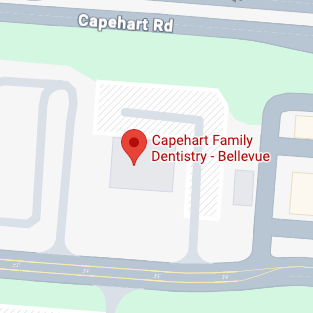
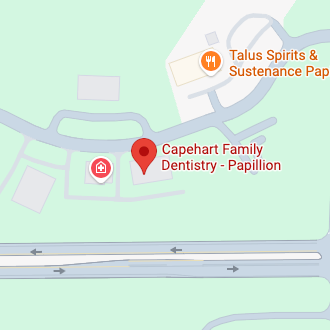
Yes, the practice prioritizes urgent dental needs and provides prompt appointments at the Bellevue and Papillion locations to address emergencies during regular office hours. Our team works to assess and stabilize pain, manage infection, and perform necessary emergency procedures so patients can resume normal function as quickly as possible. For situations that arise outside regular hours, guidance is provided to help patients access appropriate care.
Capehart Family Dentistry maintains both Bellevue and Papillion offices to serve families across the area and to ensure timely access to emergency services. Patients should contact the office or use the patient portal to describe their symptoms and arrange the most appropriate urgent appointment.
Emergency treatment aims to preserve natural teeth whenever possible through procedures such as reimplantation of avulsed teeth, splinting of loosened teeth, and root canal therapy for teeth with injured or infected nerves. Early intervention limits damage, controls infection, and increases the likelihood of successful, long-term retention of the tooth. When treatment focuses on saving the tooth, follow-up care is planned to restore strength and function.
If a tooth cannot be saved, modern restorative options include dental implants, fixed bridges, and removable partial or complete dentures to restore appearance and chewing function. Dental implants are often considered the most advanced option for replacing a missing tooth because they recreate both the root and crown, helping to preserve adjacent teeth and bone over time.
About Capehart Family Dentistry
Capehart Family Dentistry is a family-owned practice with locations in Bellevue and Papillion, Nebraska. We offer preventative and restorative treatment options for the whole family.
Quick Links
Contact Us