Dysport® is a non-surgical treatment that helps smooth fine lines and wrinkles for a refreshed, natural appearance. Commonly used to soften frown lines and other facial wrinkles, Dysport® works by relaxing targeted muscles while maintaining natural facial movement. Treatments are quick, comfortable, and can be conveniently completed during your visit to Capehart Family Dentistry.
Dysport is a prescription medication that uses botulinum toxin type A to treat wrinkles and lines caused by muscle contractions. It’s FDA-approved for both aesthetic (cosmetic) and medical purposes. The most common cosmetic uses are for frown lines between the eyebrows (glabellar lines), crow’s feet, and forehead lines.
How Does Dysport Work?
Dysport works by blocking nerve signals to targeted muscles. This reduces the muscle contractions that cause wrinkles, leading to smoother skin. The effects are temporary, typically lasting 3–6 months, after which the muscle activity gradually returns.
Key Benefits:
Reduces Wrinkles and Fine Lines
Glabellar lines (the lines between the eyebrows) are the most common treatment area. Forehead lines and crow’s feet (lines around the eyes) can also be treated with Dysport for a smoother, more youthful appearance.
Quick Treatment
Dysport injections are fast and usually take only 10–20 minutes to administer. You can even do it during a lunch break!
Minimal Downtime
Most patients return to their normal activities immediately after treatment. There may be some slight swelling or bruising at the injection sites, but these typically subside quickly.
Natural-Looking Results
Dysport often provides a more natural look than some other botulinum toxin products. Patients report that their facial expressions are softened but still look natural, without a “frozen” appearance.
Long-Lasting Results
Dysport typically lasts 3–6 months, depending on the treatment area and the individual. Regular treatments can help maintain smoother skin.
Fewer Units Needed
Dysport spreads more easily than some other botulinum toxin brands, meaning fewer units may be needed for similar results. This can make it a more cost-effective option for some patients.
Non-Surgical
Dysport offers a non-invasive alternative to surgical procedures like facelifts or brow lifts, with a lower risk and no need for recovery time.
Sign Up For:
If you're considering Dysport or already enjoying its benefits, signing up for the Aspire Rewards program is a fantastic way to make the most of your treatment!
How to Sign Up:
Simply visit the Aspire Rewards website www.aspirerewards.com and create an account.
You'll start earning points right away with your first Dysport treatment, and the rewards start adding up!
By signing up for Aspire Rewards, you can enjoy ongoing savings and rewards while continuing to look and feel your best with Dysport treatments. It's a win-win!
What is Dysport and how is it used in facial aesthetics?
+
Dysport is a prescription formulation of botulinum toxin type A that is used to soften dynamic wrinkles caused by repeated muscle contractions. It is FDA-approved for certain cosmetic and medical applications and is commonly used to treat glabellar lines, crow's feet and forehead lines. Providers choose Dysport when patients seek a non-surgical option to reduce visible lines while preserving natural facial movement.
The injections are targeted to specific muscles responsible for expression lines, and the procedure is tailored to each patient's anatomy and aesthetic goals. Results develop over several days as muscle activity decreases, producing a smoother appearance in the treated areas. Because effects are temporary, follow-up treatments are scheduled to maintain outcomes based on individual response.
How does Dysport work to reduce the appearance of lines and wrinkles?
+
Dysport works by blocking nerve signals to the small muscles that cause dynamic wrinkles, which reduces the intensity and frequency of contractions. When those muscles relax, the overlying skin lays smoother and lines become less noticeable, creating a more rested and refreshed look. The biochemical effect is localized and reversible, making it a conservative choice for softening expression lines.
The onset of visible improvement typically occurs within a few days and continues to evolve over about two weeks, depending on the treatment area and the individual. Because the effect diminishes over time as nerve-muscle communication returns, maintenance injections are planned to sustain the desired appearance. Treatment patterns and dosing are customized to balance effectiveness with a natural-looking result.
Who is a good candidate for Dysport treatments?
+
Good candidates are generally adults who have dynamic lines caused by muscle movement and who desire a non-surgical approach to softening those lines while maintaining natural expression. During a consultation, the provider will review medical history, current medications and any conditions such as pregnancy, breastfeeding or neuromuscular disorders that would make treatment unsuitable. Clear communication about aesthetic goals and prior experiences with neuromodulators helps determine appropriateness.
Ideal candidates also understand the temporary nature of the treatment and are looking for predictable, subtle improvement rather than permanent change. The provider will assess skin condition, muscle strength and facial symmetry to create a tailored treatment plan. If Dysport is not the best option, the team will discuss alternatives or complementary therapies to achieve the patient's objectives.
What should I expect during a Dysport appointment?
+
A typical Dysport visit begins with a focused consultation and facial assessment to map injection sites and set realistic expectations. The injections themselves are brief, often completed in 10 to 20 minutes, and topical numbing can be offered if desired to improve comfort. Most patients describe only minimal discomfort, such as a quick pinching sensation at each injection point.
After treatment, patients can generally resume normal daily activities immediately, although minor swelling or bruising at the injection sites can occur and usually resolves in a few days. The practice will provide specific aftercare guidance to support healing and optimal results. A follow-up visit may be scheduled to evaluate the response and make any small adjustments if needed.
What are the common side effects of Dysport and how are they managed?
+
The most common side effects of Dysport are mild and temporary, including localized bruising, swelling, tenderness and occasional headache. In rare cases, temporary drooping of a nearby muscle can occur if product migrates, and patients are advised to contact their provider promptly if they notice unexpected weakness or visual changes. Most minor side effects resolve within a few days to a couple of weeks with conservative care.
Management strategies include application of ice to reduce swelling, short-term avoidance of strenuous activity and following any activity restrictions recommended by the provider. Providers will review signs that require immediate attention and will discuss individualized precautions based on a patient's medical history. Clear pre-treatment screening and precise injection technique help minimize the risk of adverse effects.
How long do Dysport results last and how often should I schedule treatments?
+
Results from Dysport typically last about three to six months, though duration varies with the treatment area, the amount injected and each patient's metabolism. Some patients notice response wearing off sooner while others maintain benefits toward the longer end of that range, and this variability informs future scheduling. The practitioner will recommend a follow-up interval based on observed duration and the patient's aesthetic goals.
Regular maintenance treatments allow patients to preserve their aesthetic outcomes and also enable the provider to refine the plan over time for consistently natural results. Scheduling is individualized; some patients prefer predictable intervals while others return as needed when movement and lines begin to reappear. The clinical team will work with each patient to establish a comfortable, effective maintenance routine.
How does Dysport differ from other botulinum toxin products?
+
Differences among botulinum toxin products include formulation, diffusion characteristics, dosing units and clinical handling, and Dysport is often noted for its tendency to spread slightly more than some other brands. This diffusion can be an advantage for treating broader areas with fewer injection points, but it also requires precise technique to avoid affecting unintended muscles. The choice of product depends on the treatment area, the provider's experience and the patient's desired outcome.
Providers consider onset time, longevity, patient anatomy and past responses when selecting a product for each treatment plan. No single product is universally superior; rather, the skill and judgment of the clinician determine the best match for a particular case. During consultation, the clinician will explain why a specific neuromodulator is recommended and how it aligns with the patient's goals.
Can Dysport be combined with other facial aesthetic treatments?
+
Yes, Dysport is commonly combined with other non-surgical treatments such as dermal fillers, chemical peels or medical-grade skincare to achieve comprehensive facial rejuvenation. Combining treatments allows providers to address both dynamic movement and volume loss or skin texture concerns in a coordinated way. The timing and sequencing of combined procedures are important to maximize safety and outcomes, and these decisions are personalized during planning.
The clinical team will create an integrated treatment plan that sequences injections and adjunctive therapies in a way that minimizes downtime and risk. Communication about prior treatments and current skincare routines helps the provider choose compatible options and safe intervals between procedures. A tailored combination approach can produce balanced, natural-looking improvements that address multiple aspects of facial aging.
How should patients prepare for a Dysport treatment?
+
Preparation for Dysport includes a thorough medical history review and disclosure of all medications, supplements and recent procedures so the provider can assess bleeding risk and interaction potential. Patients are typically advised to minimize alcohol and certain anti-inflammatory or blood-thinning supplements in the days before treatment to reduce the likelihood of bruising, and to arrive with a clean face free of makeup. Clear instructions are provided during the scheduling process so patients know what to expect before their visit.
Patients should also set realistic expectations and plan for a short follow-up or check-in after treatment if recommended by the provider. Discussing prior aesthetic treatments and desired outcomes during the consultation helps the clinician develop a safe, effective plan. If there are specific medical conditions or concerns, the practice will address them in advance and adjust the approach accordingly.
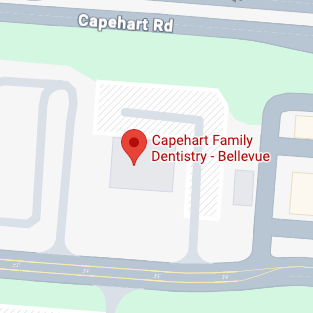
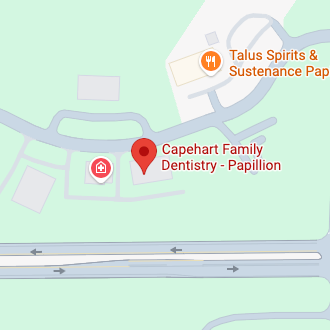
Why should I consider Capehart Family Dentistry for facial aesthetics in Bellevue and Papillion?
+
Capehart Family Dentistry offers facial aesthetic services alongside comprehensive dental care, allowing patients to work with a clinical team experienced in facial anatomy and muscle function. Treating providers collaborate with each patient to create conservative, individualized plans that prioritize natural-looking results and overall facial balance. The practice emphasizes patient education, safety and thorough pre-treatment assessment to ensure treatments align with medical history and goals.
With convenient locations in Bellevue and Papillion, patients can receive coordinated care in familiar clinical settings and follow-up more easily when needed. The team focuses on clear communication about treatment expectations, aftercare and maintenance so patients feel confident throughout the process. A consultation at the practice is the best way to determine whether Dysport or another approach is the right fit for a patient's specific concerns.
With a skilled, compassionate team, you're in great hands at Capehart Family Dentistry. If you're ready to prioritize your smile, we invite you to schedule an appointment.