Capehart Family Dentistry | Facial Aesthetics, Preventative Dentistry and Restorative Dentistry

Preventative Dentistry

Preventive dentistry is the foundation of a healthy smile. At Capehart Family Dentistry, we offer comprehensive dental hygiene cleanings, protective sealants, and thorough oral cancer exams to help catch concerns early and keep your smile healthy. Visiting us regularly allows our team to monitor your oral health, prevent future issues, and help you stay on track with great oral hygiene for life.
Capehart Family Dentistry | Cosmetic Dentistry, Preventative Dentistry and Facial Aesthetics

Hygiene Cleanings

Regular dental hygiene visits are essential for maintaining a healthy smile. Professional cleanings remove plaque and buildup that brushing alone can’t, while routine exams help catch issues early — before they become bigger problems. Staying consistent with your visits supports long-term oral health and helps keep your smile looking and feeling its best.

Capehart Family Dentistry | Preventative Dentistry, Facial Aesthetics and Cosmetic Dentistry

Protective Sealants

Dental sealants provide an extra layer of protection for teeth by sealing out bacteria and food that can lead to cavities. They’re a quick, comfortable, and effective way to help prevent decay — especially for children and teens, but beneficial for adults too.

Capehart Family Dentistry | Cosmetic Dentistry, Preventative Dentistry and Emergency Treatment

Oral Cancer Exams

Oral cancer exams are a vital part of your routine dental visit. Early detection can make a significant difference in treatment outcomes, which is why our team carefully screens for signs of oral cancer during regular exams. These quick, painless screenings help protect your overall health and provide added peace of mind.

Frequently Asked Questions

What is preventative dentistry?

+

Preventative dentistry is the set of routine practices and professional services designed to protect teeth and gums from disease and damage. It focuses on early detection and intervention to stop small problems from becoming larger ones and to preserve natural teeth for life. Preventative care combines at-home habits with scheduled dental visits to maintain overall oral health.

Services commonly associated with preventative dentistry include professional cleanings, exams, fluoride treatments and educational guidance on oral hygiene. The goal is to reduce the risk of cavities, gum disease and other oral health issues through consistent monitoring and maintenance. Preventative dentistry supports not only a healthier mouth but also better overall health by catching concerns early.

How often should I schedule hygiene cleanings and exams?

+

Many patients benefit from hygiene cleanings and comprehensive exams every six months, but individual needs can vary based on oral health, medical history and risk factors for disease. Your dental team will recommend a personalized schedule after assessing factors such as your gum health, history of decay and any ongoing conditions that affect oral tissues. More frequent visits may be recommended for patients with active periodontal disease, a history of frequent cavities or certain medical conditions.

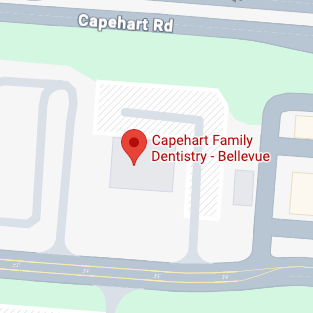
Regular exams allow the dentist to monitor changes over time and to provide targeted preventive care when necessary. Staying consistent with recommended visits helps catch early signs of trouble, which can often be managed with less invasive treatment. If you have specific concerns about timing, please discuss them during your appointment at our Bellevue or Papillion locations so your care plan can be tailored to your needs.

What happens during a professional hygiene cleaning?

+

A professional hygiene cleaning typically begins with a review of your medical and dental history followed by an oral exam to assess gum and tooth health. The dental hygienist then removes plaque and tartar buildup using specialized instruments or ultrasonic scalers, paying special attention to areas that are hard to clean at home. After scaling, teeth are polished to remove surface stains and make it harder for plaque to reattach.

The cleaning may conclude with a fluoride application or personalized recommendations for at-home care to strengthen enamel and reduce sensitivity. Throughout the visit the hygienist will look for signs of decay, gum disease or other oral conditions and will report findings to the dentist for further evaluation if needed. These routine visits are an opportunity to ask questions about brushing technique, flossing tools and any symptoms you may be experiencing.

How do dental sealants work and who should get them?

+

Dental sealants are thin protective coatings applied to the chewing surfaces of molars and premolars to block grooves and crevices where food and bacteria can collect. They create a smooth barrier that makes it easier to clean teeth and significantly reduces the risk of cavities in those vulnerable areas. Sealants are quick to apply, painless, and can last for several years with proper care.

Children and teenagers are common candidates for sealants because newly erupted permanent molars are especially prone to decay, but adults without existing fillings in the pits and fissures can also benefit. A dentist will evaluate each tooth and recommend sealants based on anatomy, cavity risk and oral hygiene habits. When indicated, sealants are an effective preventive measure that complements brushing, flossing and professional care.

Why are oral cancer exams important and what do they involve?

+

Oral cancer exams are an important part of routine dental visits because early detection dramatically improves treatment options and outcomes. During the exam, the dentist or hygienist visually inspects the lips, tongue, floor and roof of the mouth, cheeks and throat, and palpates tissues to detect lumps, sores or other abnormalities. The screening is quick, noninvasive and typically painless, and it helps identify suspicious findings that warrant further evaluation.

If anything unusual is found, the dental team will document the finding, monitor changes and may refer you for additional testing or to a specialist for biopsy or treatment. Regular screenings are especially important for people with risk factors such as tobacco use, heavy alcohol consumption or a history of significant sun exposure to the lips. Including oral cancer exams in routine care provides added protection for your overall health and peace of mind.

How does fluoride help prevent tooth decay?

+

Fluoride helps prevent tooth decay by strengthening tooth enamel and making it more resistant to acid attacks from plaque bacteria and sugars in the mouth. It can also help remineralize areas where early decay has begun, reversing the process before a cavity forms. Fluoride is available through topical applications in-office, prescription products and many community water supplies, and each method supports enamel health in different ways.

Your dental team will recommend the appropriate form and frequency of fluoride use based on age, decay risk and individual medical history. For patients at higher risk of decay, targeted fluoride treatments and at-home products can be part of a comprehensive prevention plan. Proper fluoride use is a safe and effective tool when combined with regular cleanings and good oral hygiene practices.

What daily oral care practices support preventive dentistry?

+

Effective daily oral care includes brushing twice a day with a fluoride toothpaste, cleaning between teeth once a day with floss or interdental brushes and limiting frequent exposure to sugary foods and beverages. Brushing removes plaque from accessible tooth surfaces while interdental cleaning removes debris and bacteria from between teeth where cavities and gum disease often begin. Consistent, proper technique and the right tools are essential to maximize the benefit of these routines.

Additional practices such as cleaning the tongue, staying hydrated and using an antimicrobial or fluoride mouthrinse when recommended can further reduce bacterial load and strengthen enamel. It’s also important to replace toothbrushes every three to four months or sooner if bristles are frayed. Your hygienist can demonstrate brushing and flossing techniques during visits to ensure your at-home routine is effective.

How does diet and lifestyle affect oral health?

+

Your diet and lifestyle have a direct impact on oral health because the foods and drinks you consume influence the balance of bacteria and the acidity in the mouth. Frequent snacking on sugary or acidic items increases the risk of enamel erosion and cavities by providing fuel for decay-causing bacteria and prolonged acid exposure. Tobacco use, excessive alcohol consumption and certain recreational substances also raise the risk of gum disease, oral cancer and other serious oral health problems.

Making mindful choices—such as reducing sugary snacks, choosing water over sugary beverages and eating a balanced diet rich in vitamins and minerals—supports stronger teeth and healthier gums. Smoking cessation and moderation of alcohol intake provide significant oral and systemic health benefits. Discussing your habits with your dental team allows them to offer targeted advice and preventive strategies tailored to your lifestyle.

How does preventative care change for children, teens and seniors?

+

Preventative care is tailored to each life stage because risk factors and oral development change over time. For children, emphasis is placed on eruption monitoring, dietary guidance, fluoride use and early application of sealants to protect new molars; for teens, monitoring for orthodontic needs, sports-related protection and education on habits like vaping and oral hygiene are priorities. Seniors often face unique concerns such as medication-induced dry mouth, increased susceptibility to root decay and higher rates of gum disease, which require focused monitoring and management.

Care plans are individualized to address these changing needs with appropriate preventive services, home care instructions and more frequent monitoring when necessary. Communication between caregivers, patients and the dental team helps ensure timely interventions and support for oral health through all stages of life. Preventative dentistry aims to adapt practices to each patient’s circumstances to preserve function and comfort as they age.

How can I prepare for a preventative dentistry appointment at your office?

+

Before your appointment, gather information about any recent medical changes, a list of current medications and notes about symptoms or concerns you want to discuss so the dental team has a complete picture of your health. Arriving a few minutes early allows time to complete or update necessary forms and ensures the visit starts on time, which helps the hygienist and dentist provide thorough care. Be prepared to discuss your daily oral hygiene routine so the team can make personalized recommendations.

During the visit you can expect a review of your health history, an oral exam, professional cleaning and any preventative treatments that are appropriate based on the evaluation. If follow-up is needed, the staff will explain recommended next steps and help schedule them in a way that fits your needs. Capehart Family Dentistry aims to make preventative visits efficient, informative and focused on helping you maintain lifelong oral health.

Ready To Schedule?

With a skilled, compassionate team, you're in great hands at Capehart Family Dentistry. If you're ready to prioritize your smile, we invite you to schedule an appointment.